
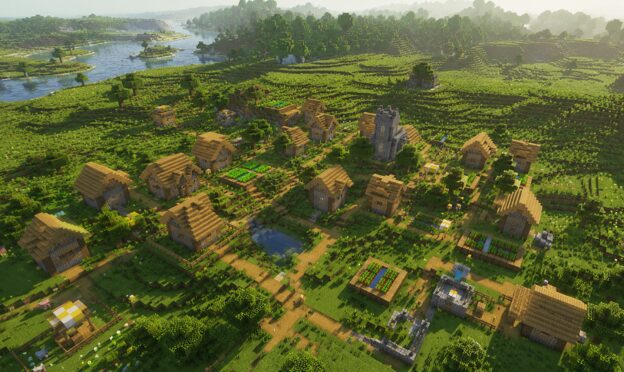
Villages are the most useful early-game structures in Minecraft. A village near spawn means food, beds, iron, and trading from day one. Finding one without a map is luck. Finding one with a map takes thirty seconds.
Using finding villages with a minecraft seed map removes the guesswork. Enter the seed codes for minecraft you want to check, and every village location appears on the map immediately.
How Minecraft World Seed Codes Work
Minecraft world seed codes are the numbers that define your world. Every world has one. You can use an existing seed code to load someone else’s world exactly, or paste your own code into a viewer to see what generated.
According to the Minecraft, village placement is tied to the seed through a structure grid system. The game divides the world into regions and places one potential village per region. The seed determines whether it actually generates — and what type it is.
That grid system is exactly what the map viewer reads. It shows all the villages, not just the ones close to spawn.
What Village Types Appear on the Map
Different biomes produce different villages. The map shows all of them:
- Plains villages — most common, best iron availability
- Desert villages — sand and sandstone builds, hay bales for food
- Savanna villages — acacia wood, distinct visual style
- Taiga villages — spruce wood, berries, wolves nearby
- Snowy villages — igloos often nearby, ice biome resources
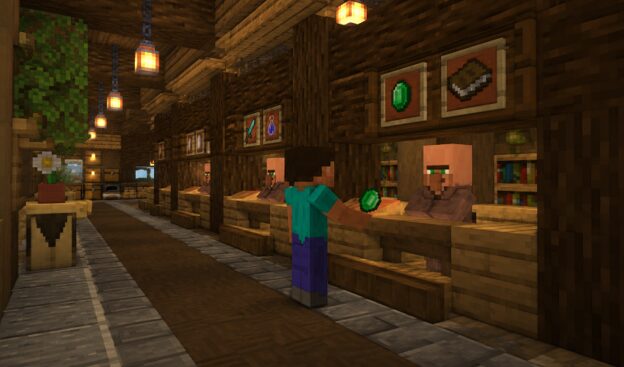
Each type has different trades and structures inside. If you’re after a specific villager profession, the map lets you find the right biome village before making the trip.
When a village is close to where you spawn, the first day becomes much easier. You can collect crops, sleep through the night, and pick up useful materials instead of wandering around hoping to find something. That gives you a faster and much more comfortable start. That makes early survival a lot more relaxed. If the village isn’t where you want to build, simply find another one using the map. Many worlds generate several villages within a few thousand blocks, making it simple to build trade routes or connect them with roads and railways later in the game.
Minecraft Codes for Worlds: Using Seed Codes Effectively
Minecraft codes for worlds work the same as regular seed numbers — they’re interchangeable. A code shared in a community, a number copied from /seed, and a custom string you type in all work the same way.
When you paste a code into the viewer, you’re running the same generation math the game uses. The village locations you see on the map are the actual in-game coordinates.
Veteran Minecraft builder and YouTuber Mumbo Jumbo has described village proximity as “one of the single biggest advantages any survival player can have in the early game.” A map turns that advantage into a deliberate choice.
Some of the most-shared seed codes for minecraft in recent years feature multiple villages within 300 blocks of spawn. A viewer confirms whether that’s true before you invest hours in a world.
If you’re planning to keep a world for a long time, checking the seed map first just makes sense. You can see whether villages and other useful structures are close enough before you start building anything. That quick look often saves hours of travel later on. It also gives both solo players and groups a much faster start. You can establish trading halls, breed villagers, and build iron farms much earlier than you could by exploring the world at random.
Villages Are Better With a Stable Server
Villages are popular. In multiplayer, multiple players often want to trade, claim beds, or set up iron farms near them. That creates consistent server load in a concentrated area.
Finding the right village with the seed map is step one. Running it on a server that handles the activity around it is step two. Both matter for long-term enjoyment.