
Digital Basketball Fans Now Runs on More Than the Scoreboard
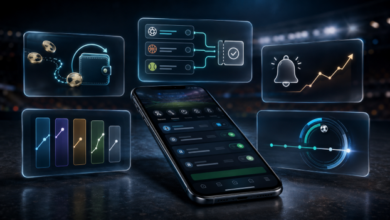
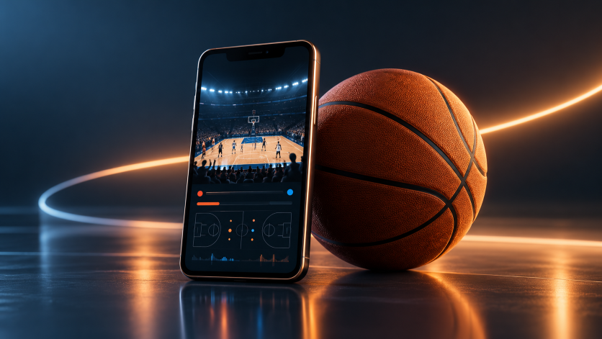
A Digital Basketball Fans in 2026 can watch the same possession four ways within a minute: live broadcast, box-score update, clipped replay and group chat. None replaces the game. Together, they change how it is followed.
The shift is measurable. During the 2025–26 NBA regular season, the league reported more than 1.3 billion hours of live game coverage consumed across measured linear and streaming markets, excluding League Pass. Its social channels generated a record 228 billion views. Digital Basketball Fans is no longer split neatly between “watching” and “being online”; the two behaviors now happen at the same time.
The Score Is No Longer the First Screen
The box score used to arrive after the game for most viewers. Now it updates possession by possession, often before a television replay finishes. That changes the questions fans ask. Instead of waiting to learn who led the team, a viewer can track shot volume, foul trouble, minutes, lineup combinations and pace while the game is still moving.
The NBA has also reduced the distance between discovery and viewing. Its Tap to Watch initiative drove fans to nearly 20 million live streams during the 2025–26 season, while watch hours per user in the NBA App rose 20%. A clip, schedule alert or team page can now become the doorway to the live broadcast rather than a separate destination.
228 Billion Views Changed the Unit of Fandom
A full broadcast is no longer the only meaningful unit of basketball consumption. Ten seconds of a chase-down block or late three-pointer can travel farther than the game itself.
Short-form video also changes timing. Fans who miss a game can reconstruct its main story quickly, while live viewers may see alternate angles within minutes. The trade-off is compression: a highlight isolates an outcome, not the possessions that created it. A 12–0 run makes more sense with lineup, turnover and foul context.
Statistics Need Context Before They Become an Argument
Live data is useful because it can test what the eye thinks it sees. A team may look dominant while shooting an unsustainable percentage; another may trail despite creating better shots and simply missing them. The best second-screen habits are simple:
- check minutes and foul counts before comparing player totals;
- separate shooting percentage from shot quality and volume;
- treat a short run as a game state, not proof of a full-game trend.
The 2026–27 NBA schedule will make that kind of filtering more important. The league has 1,230 regular-season games from Oct. 20 through April 11, with 247 national matchups across ABC/ESPN, NBC/Peacock and Prime Video, while other games remain available through League Pass subject to market rules.
A Betting Line Is Another Data Stream, Not a Box Score
Basketball markets can add a different kind of second-screen reading because prices react to information rather than simply recording what has happened. Injury news, confirmed starters, rest, foul trouble and score margin can all change the market, and each input needs to be separated from the emotional swing of one possession. A page showing PBA odds is most useful when the reader first identifies the competition, game state and market type instead of treating the number as a prediction by itself. Moneyline, spread and totals answer different questions, while live prices can move before a broadcast viewer has fully processed the reason. Good interpretation starts with the basketball evidence and then asks whether the price reflects it.
Competition context also changes quickly. San Miguel retained the PBA Philippine Cup title in February 2026, beating TNT 92–77 in the deciding game. Later PBA conferences produced a new form picture, so that result cannot be carried forward unchanged.
A Casino Game Uses a Different Set of Numbers
Not every interactive screen around sports follows sports logic. A slot or similar casino title is governed by rules such as its paytable, stake, feature design, volatility and random-number generation rather than a team’s pace or recent record. Someone moving from a basketball stream to a casino game should therefore switch analytical frameworks: form and injuries no longer matter, while the game information page does. The UK Gambling Commission describes RTP as a long-run average and notes that session results can vary because of volatility. An RNG-based outcome is designed to be unpredictable, so a recent win or loss does not create a basketball-style trend for the next round.
Sports data describes a real contest unfolding in time; casino mathematics describes probabilities across repeated outcomes.
October 20 Will Test the New Viewing Routine
The NBA’s 2026–27 regular season begins Oct. 20 with a three-game NBC/Peacock opening slate. The season will then spread national games across ESPN, Peacock and Prime Video, with League Pass covering non-national games outside local restrictions. For fans, the challenge is no longer finding more basketball information. It is deciding which layer deserves attention at a given moment.
A clean routine may be enough: watch the possession first, use data to test an impression, then open clips or commentary after the sequence has settled. The digital fan has more evidence than any previous generation. The advantage comes from knowing which evidence belongs to the game and which simply competes for the same screen.